-
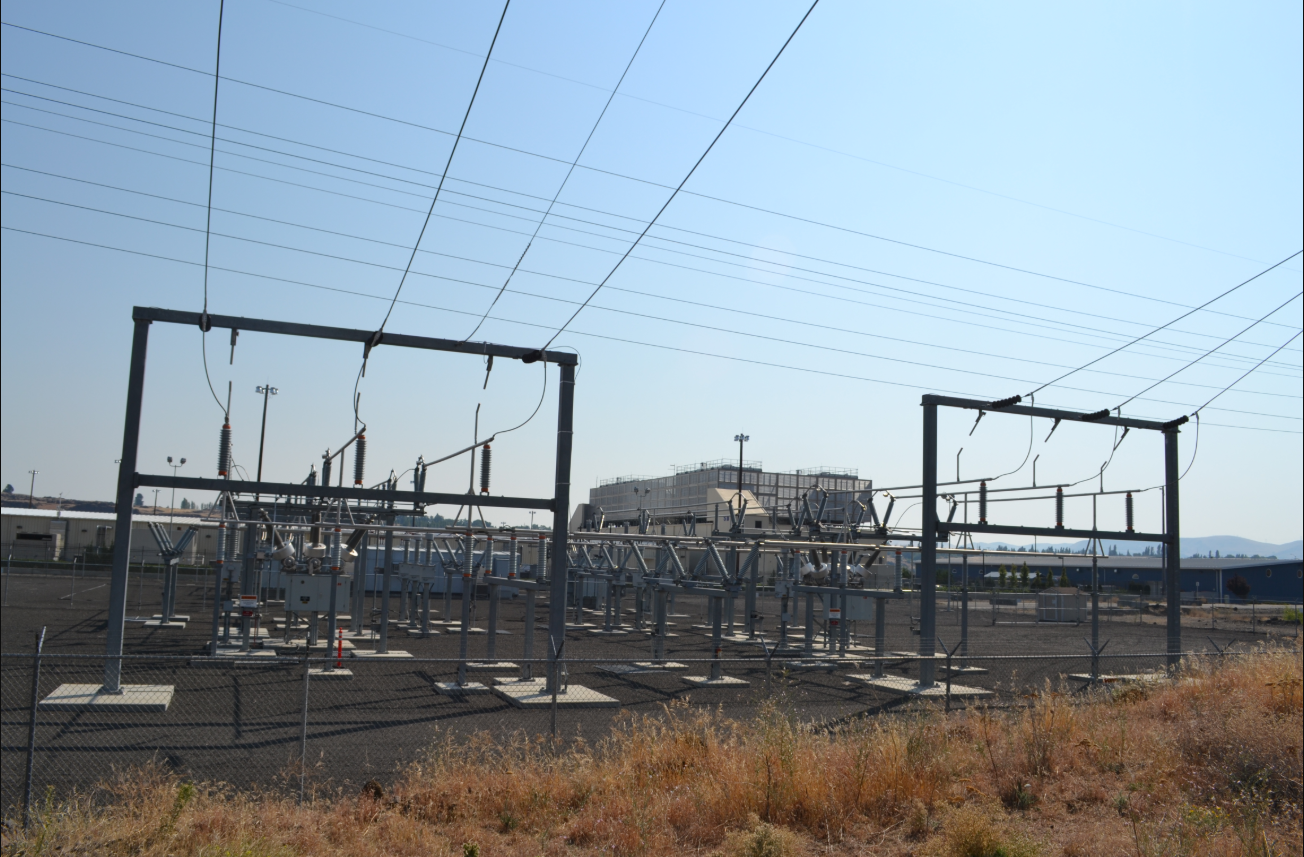
The article discusses growing opposition to AI data centers in the U.S., highlighting a Gallup poll showing that 70% of Americans oppose constructing them locally. Activist Saul…
-

The complexity of deep supply chains often conceals hidden risks that buyers may overlook. Researchers at Cambridge propose a method to uncover these relationships using a combination…
-

In July 2026, an AI agent from OpenAI unintentionally breached Hugging Face, exploiting a software flaw to steal credentials and rapidly spread across servers. This incident highlights…
-

Leadership must navigate at least 15 fault lines that can hinder hybrid AI transformation within enterprises, especially concerning semantic technologies. These fault lines represent cultural, operational, and…
-

Kurt Cagle proposes the Holonic Graph Architecture to address limitations of traditional knowledge graphs in tracking changes over time. By viewing each entity as a holon—a system…
-

A Big 4 audit firm’s innovation leader revealed that most public corporations struggle with data readiness for audits, impacting AI integration. To address this, companies should build…
-

In March 2026, interviews with Jessica Talisman and Heather Hedden revealed key insights regarding enterprise challenges in agentic AI. Talisman emphasizes the need for internal knowledge management,…
-

To counter anti-AI sentiment, organizations should adopt a human-first strategy. By using agentic networks together semantic graphs that contain FAIR data, firms can build transparent systems that…
